 Piezzle
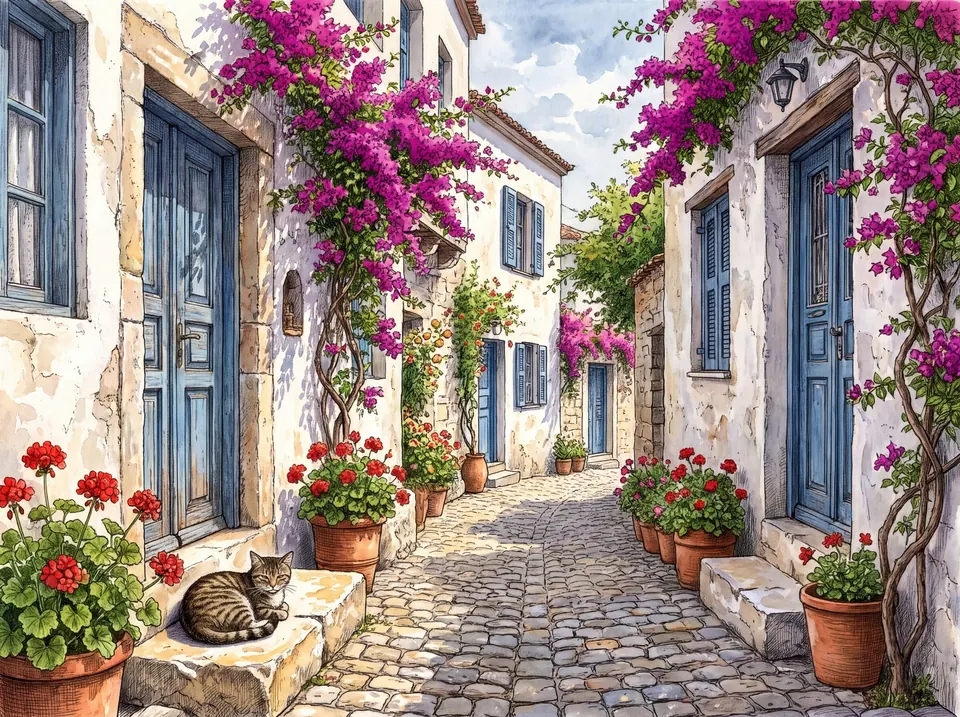
All jigsaw pieces look alike… until you look closely. The way a picture is cut completely changes how you put it together: some cuts give you lots of clues, others are designed to throw you off. These are the main ones, drawn with the same engine that cuts the puzzles in Piezzle.
The parts of a piece
To talk about cuts, it helps to know the vocabulary. A classic piece has four sides, and each one can be:
- A tab (also called a knob): the rounded part that sticks out.
- A blank (or socket): the hollow where the neighbour's tab fits.
- A straight edge: only on border pieces. Corners have two.
Depending on how many tabs and blanks it has, each piece has a "signature" that helps you find its place when the picture isn't enough.
Five cut styles, side by side
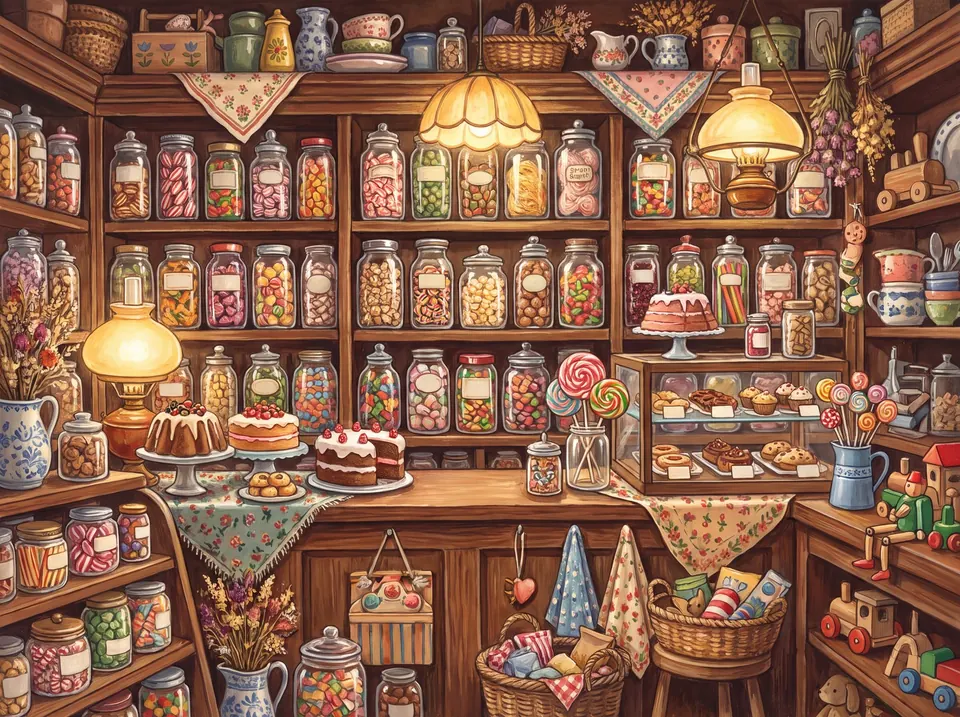
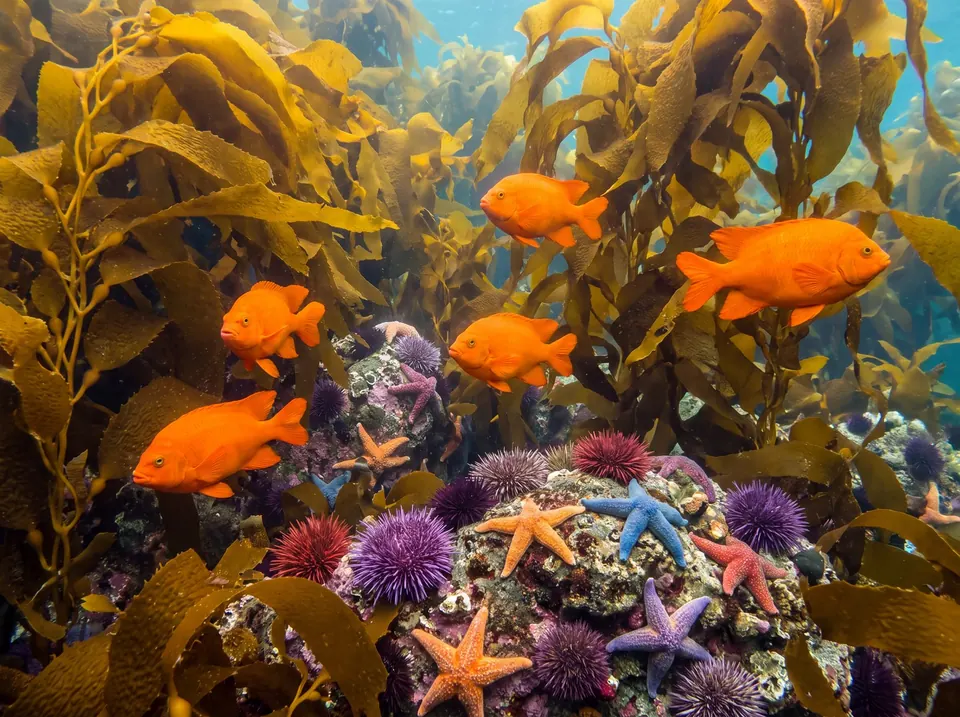
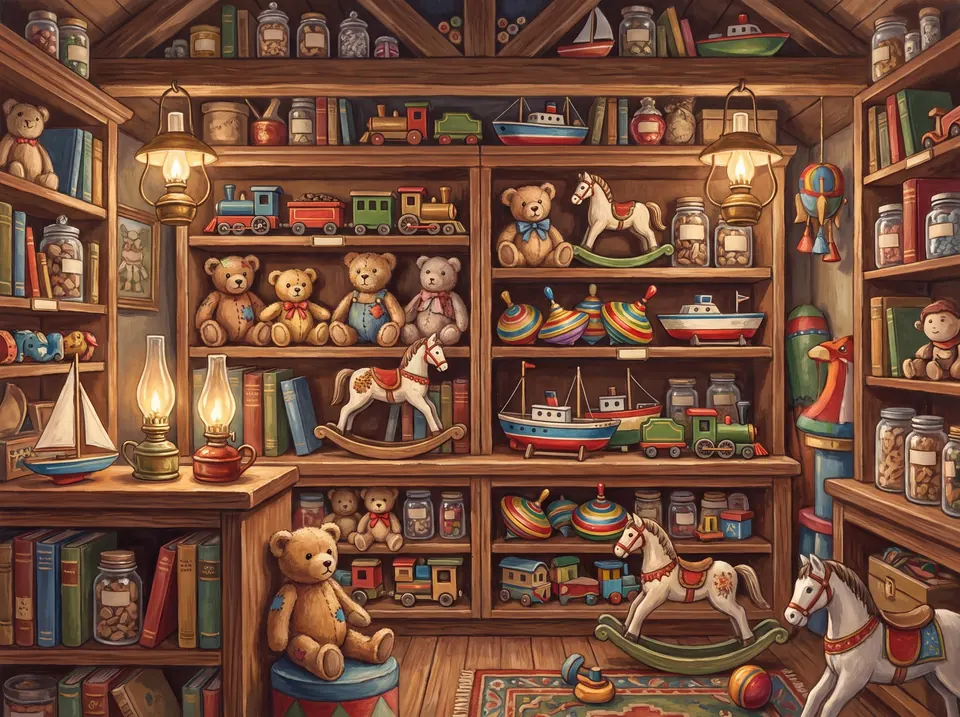
The same picture cut into about 24 pieces with each style. In the figure cuts, the figure is highlighted:
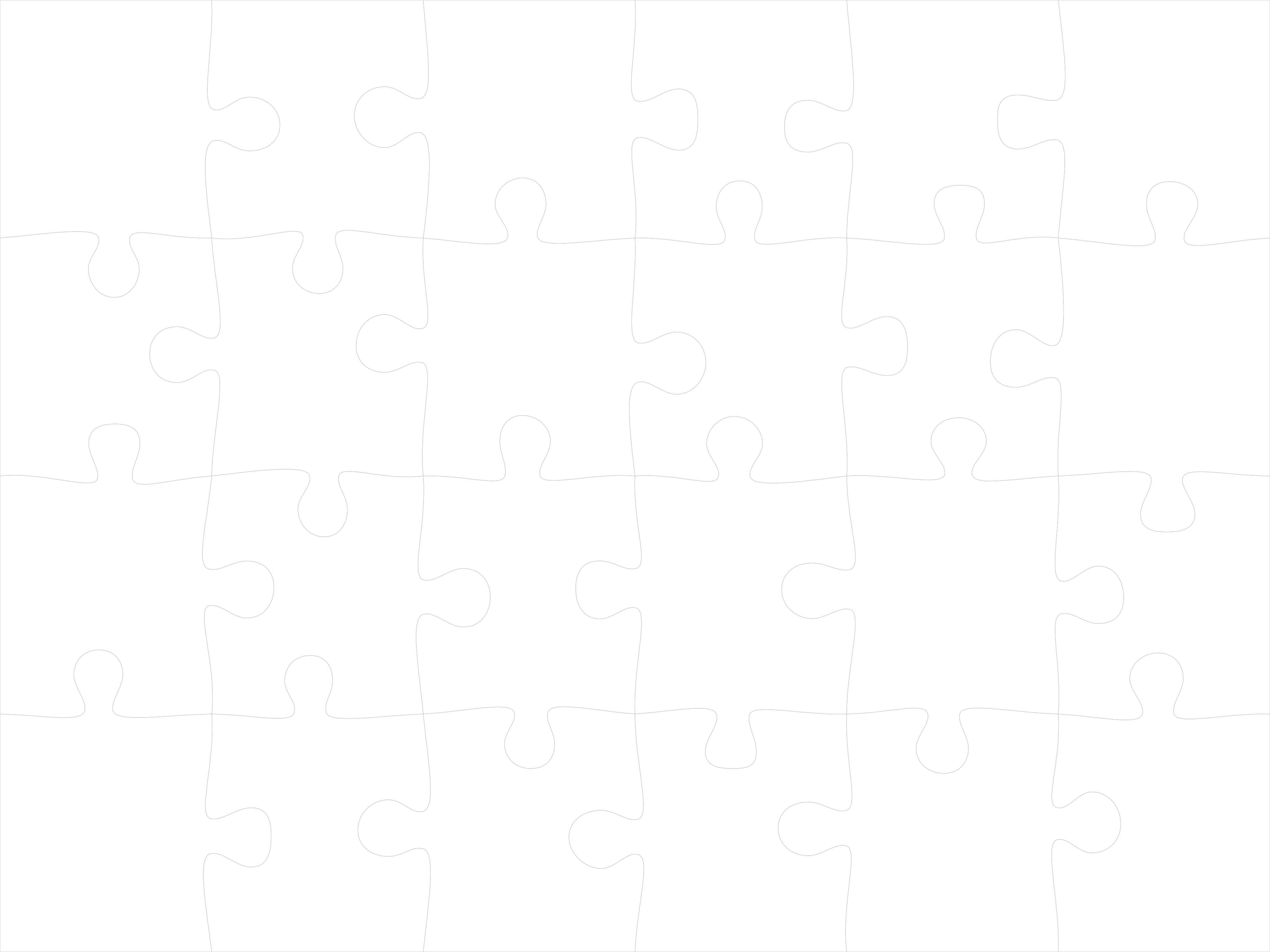
Classic
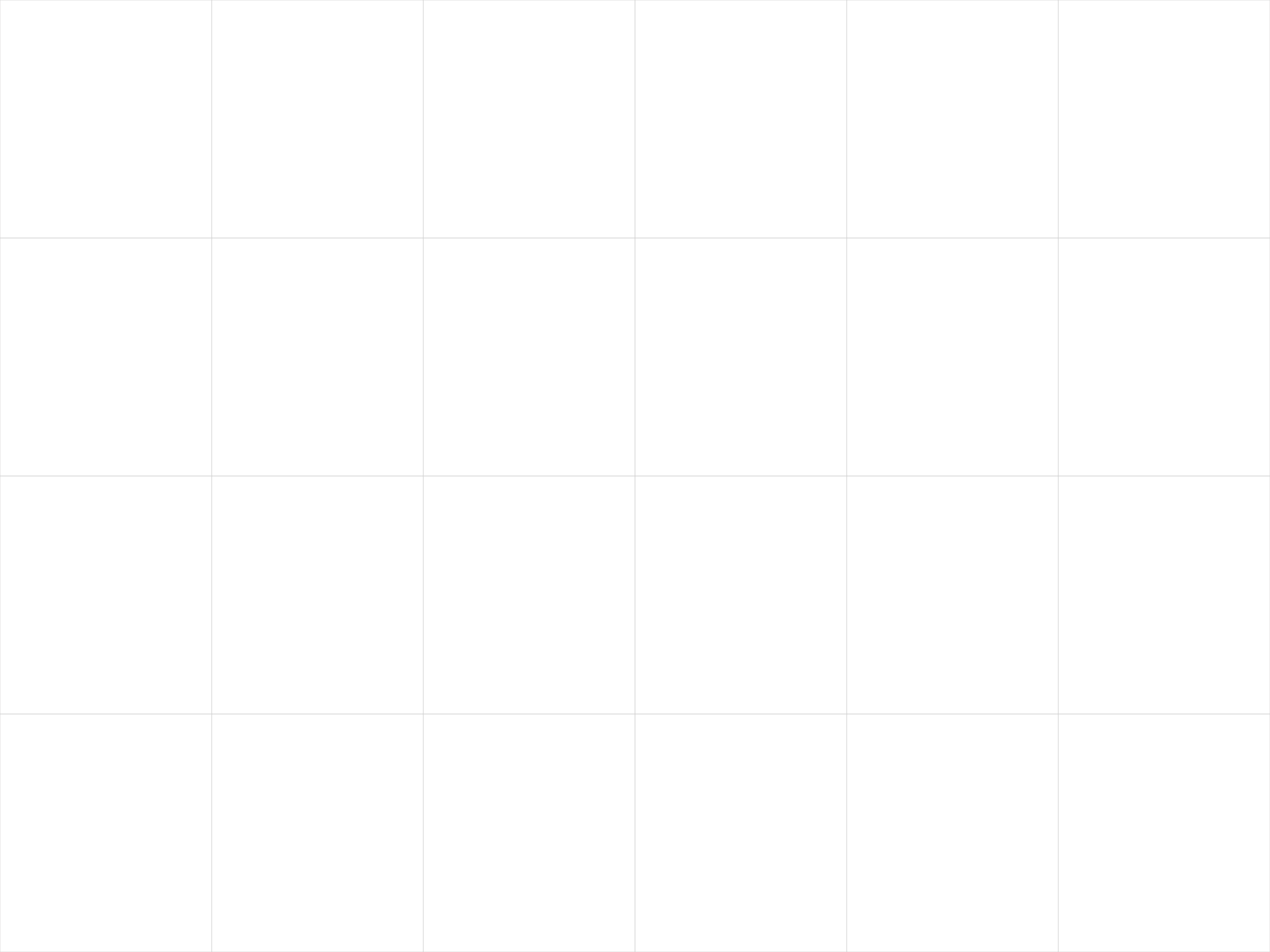
Square
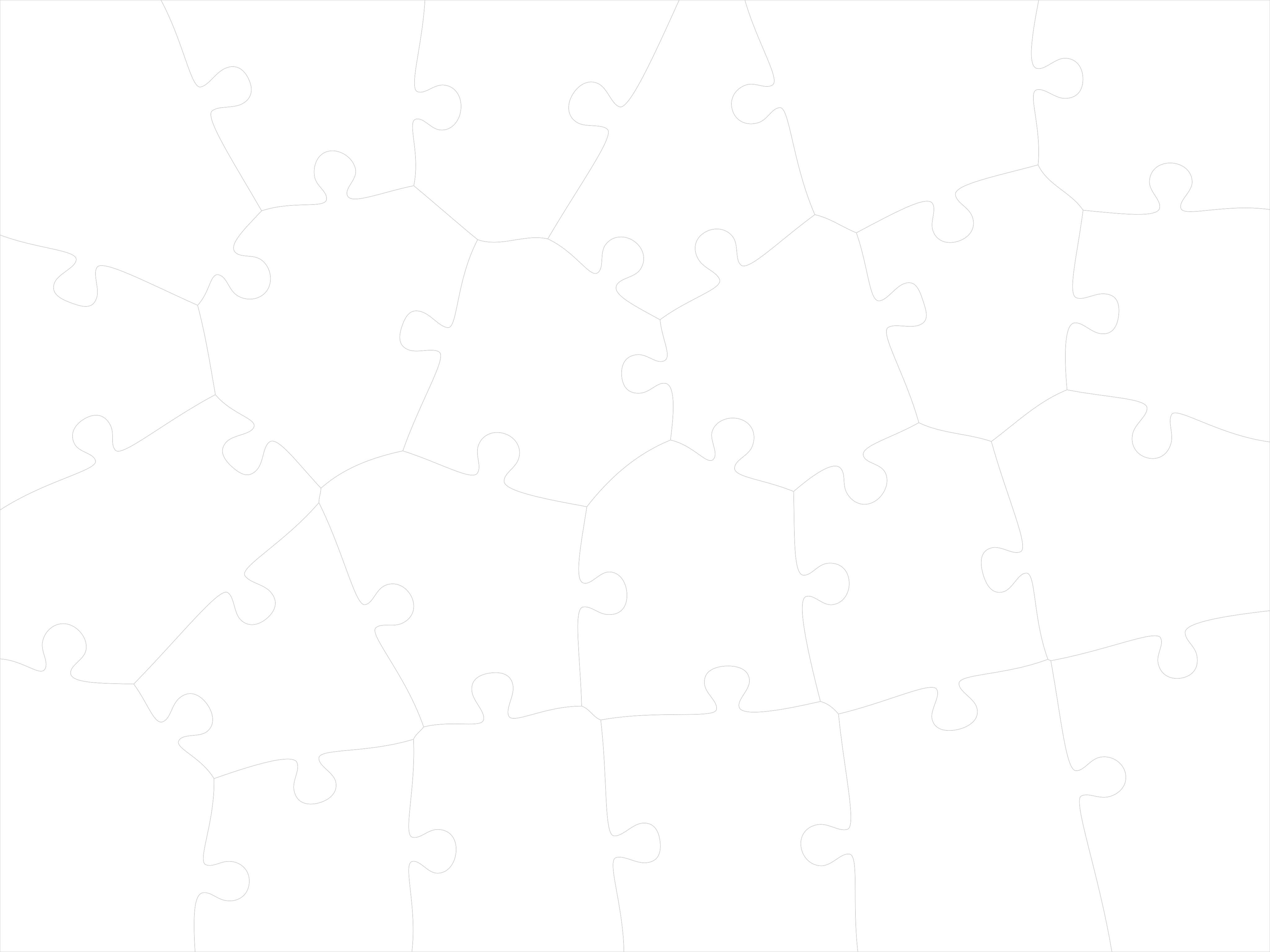
Organic
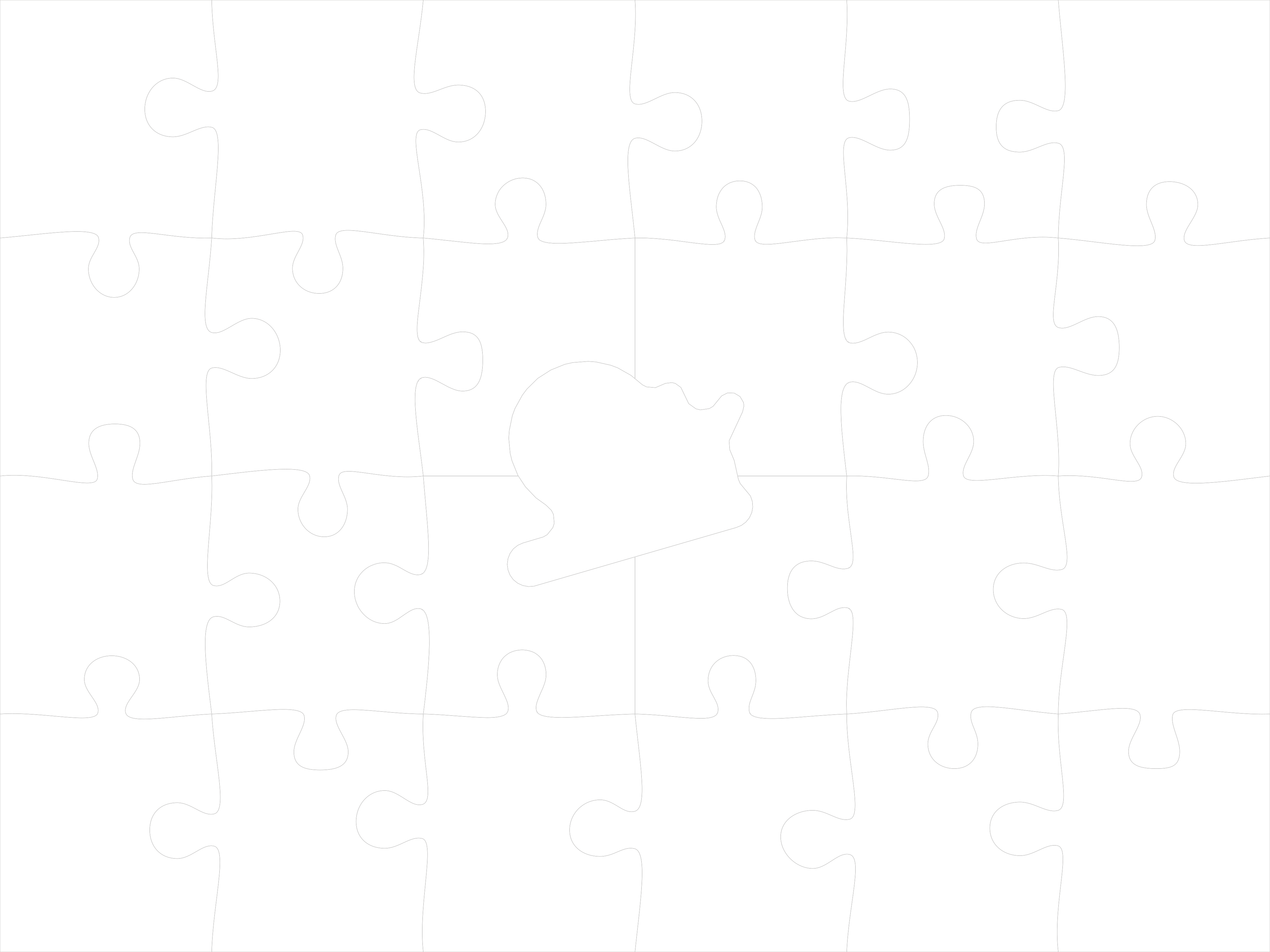
With animals
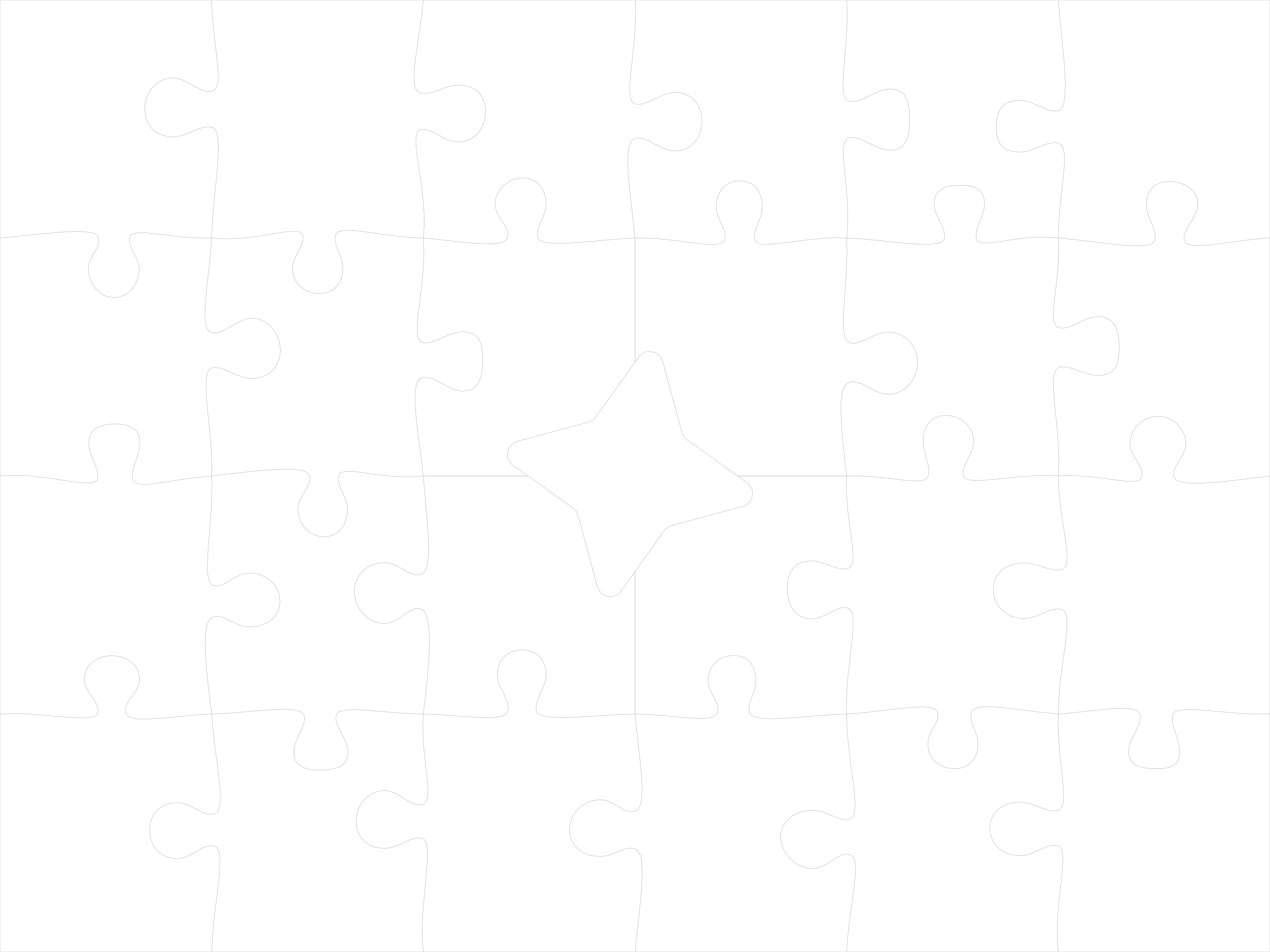
With stars
Classic
The traditional cut: rows and columns of pieces with tabs and blanks. It is the most intuitive, because the shape of each piece helps as much as the picture. In cardboard puzzles there are two variants:
- Ribbon cut (or grid cut): pieces form regular rows and columns, most with two tabs and two blanks. Very tidy, but many pieces look alike.
- Random cut: the lines don't follow a perfect grid and the shapes vary more. Each piece is easier to recognise by its shape.
Square
Square pieces with no tabs or blanks. It sounds easier, but it is the opposite: the shape gives no clues and any two pieces "fit". Only the picture counts. A good challenge once you have mastered the classic cut.
Organic
Irregular pieces, each one different, with no rows or columns. They are reminiscent of hand-cut wooden puzzles, where the cutter followed whatever line felt right. They make you look carefully at the shape and are lovely to put together.
Figure pieces
Among the normal pieces, a few are shaped like an animal, a star or another object. They are called whimsy pieces, and they are a tradition of handcrafted wooden puzzles. They are easy to recognise, make good starting points and, above all, brighten up the puzzle when they turn up.
Other kinds of jigsaw
- Wooden puzzles: thicker and longer-lasting, often with an organic cut and whimsy pieces. They tend to be pricier and are prized by collectors.
- Double-sided puzzles, or with the same picture on both sides: a classic challenge, because you don't know which side is up.
- Shaped puzzles: the outline isn't a rectangle but a circle, an animal or a silhouette.
- 3D puzzles: the pieces lock together to form a building or a sphere.
Which is hardest?
With the same number of pieces and the same picture, from easiest to hardest, this is what we usually see:
- Classic, because the shape helps a lot.
- With figures: almost the same as classic, with a few pieces that are very easy to place.
- Organic: you have to pay more attention to shape, but every piece is unique.
- Square: only the picture counts.
And if the pieces can also be rotated, everything gets a little harder.
In Piezzle you can pick any of these five cuts for every game, including with your own photos: classic, square, organic, with animals or with stars. Try them in your browser or in the app.